

Welcome to Kape Uncovered, a coffee story through the lens of Philippine Kape
This tasting follows Philippine coffee from its early colonial-era introduction and Batangas’ coffee boom to the farmers, roasters, and brewers shaping its future today.
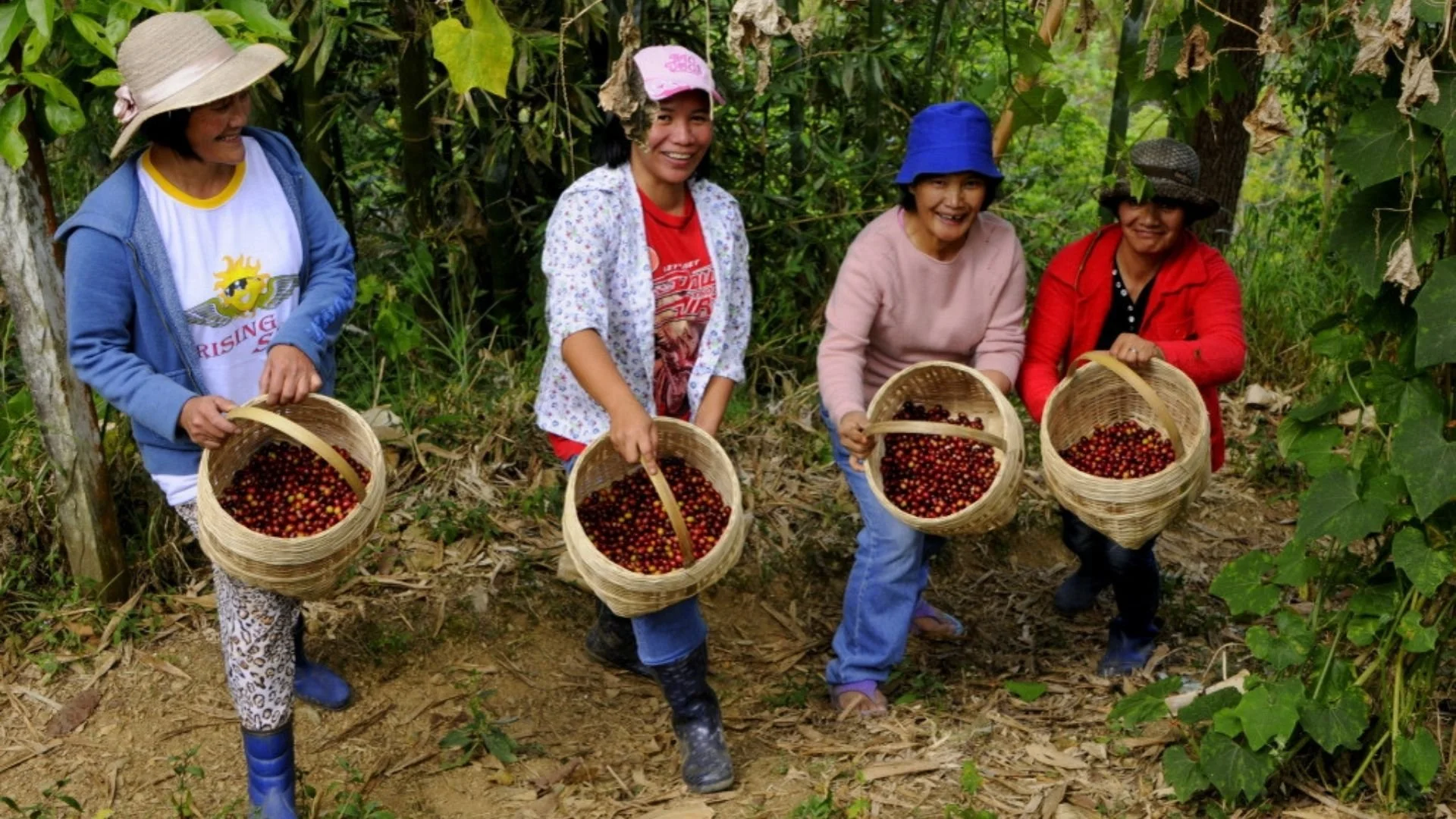
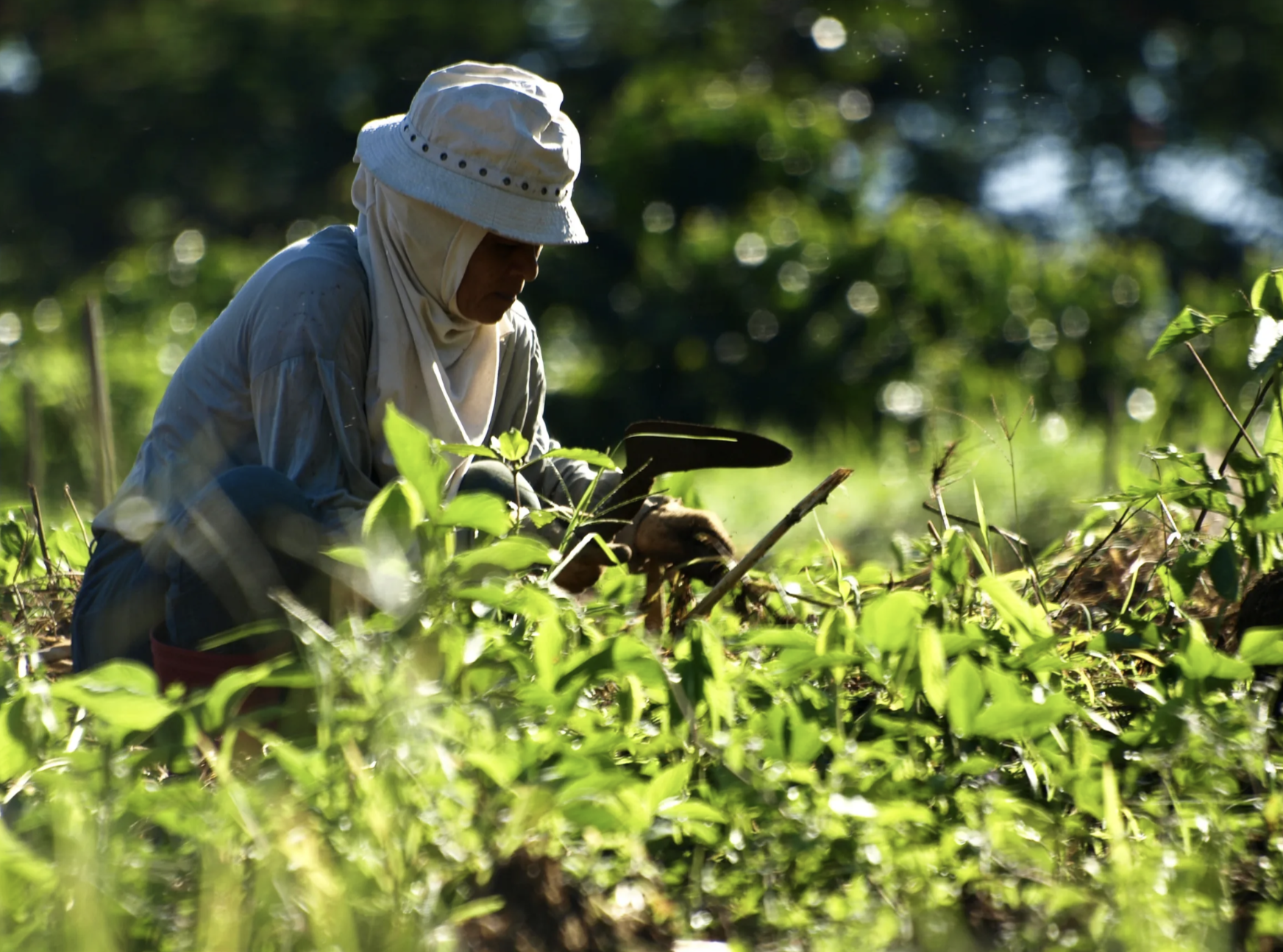
We honor the farmers across the Philippines whose work sustains this tradition; cultivating coffee with care, resilience, and deep knowledge of the land. Every pour begins with their labor.
1740s: Coffee arrives in the Philippines
Coffee was introduced to the Philippines during the Spanish colonial era. Local historical records in Lipa place the arrival of the first coffee seeds in the 1740s, traditionally attributing their introduction to a Franciscan friar who brought seeds from Mexico. While the details of that introduction are difficult to verify from surviving primary evidence, coffee cultivation in Lipa (in Batangas) is well documented by the early 19th century.
By 1808, local officials in Lipa were encouraging broader cultivation in response to rising demand. Coffee expanded through Batangas during the 19th century and became central to Lipa’s local economy.
1870s: Lipa’s coffee boom
Lipa became one of the Philippines’ most important coffee-growing centers during the late Spanish colonial period. The city’s historical record identifies the 1870s and 1880s as a coffee “golden age,” when exports and coffee values rose significantly. Academic and institutional accounts likewise place Batangas at the center of the country’s late-19th-century coffee success.
The Philippines is often described in coffee histories as having ranked fourth among the world’s coffee-exporting countries in 1880. That commonly repeated ranking should be presented carefully: it reflects historical summaries rather than a universally standardized global dataset.
1889: Collapse and adaptation
The Lipa coffee boom declined sharply around 1889, when a destructive plant disease locally known as bagombong devastated plantations. Many accounts identify the disease as coffee leaf rust, though historians caution against describing disease alone as the single cause of the industry’s collapse; monoculture, competition, environmental pressure, and limited investment also shaped the downturn.
The lasting story is one of adaptation. Coffee continued to be grown in the Philippines, while producers and regions diversified what they planted and how they cultivated it.
Four coffee types
The Philippines is widely recognized as one of the relatively few producing countries where all four major commercial coffee types are cultivated: Arabica, Robusta, Liberica, and Excelsa.
Arabica (Coffea arabica) is associated with higher elevations and is valued for its aromatic, layered cup profile.
Robusta (Coffea canephora) is generally more resilient in warmer conditions and is known for a fuller body and higher caffeine content.
Liberica (Coffea liberica) is widely known in the Philippines as kapeng barako, especially in Batangas and Cavite.
Excelsa is commonly discussed separately in coffee culture, though modern botanical classifications generally place it within the Liberica group.
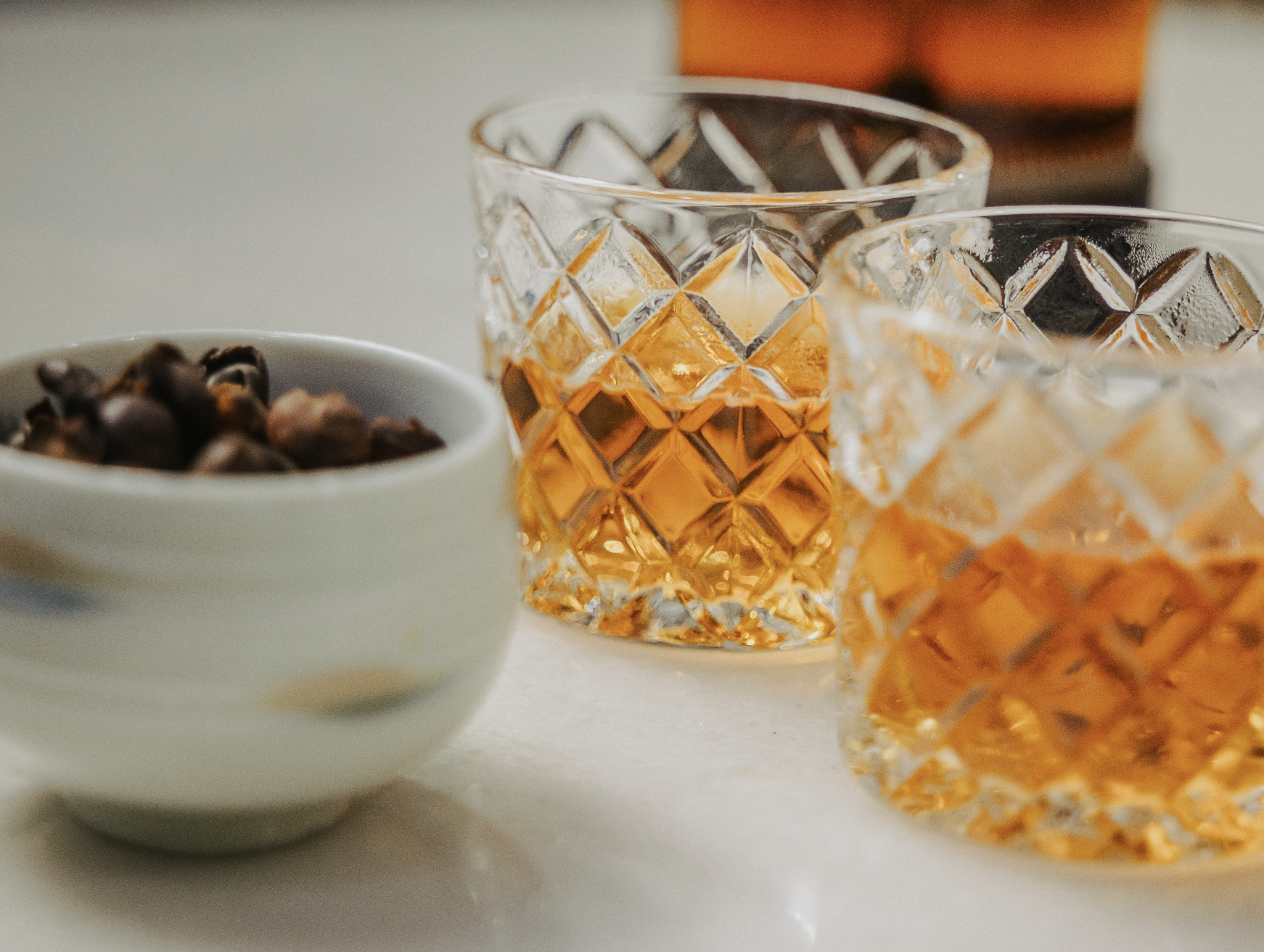
1565 - 1815: A Galleon-Inspired Welcome
The Galeón Iced Mocha is an original menu creation inspired by our current Istorya dinner series Acapulco, after the Manila–Acapulco Galleon Trade.
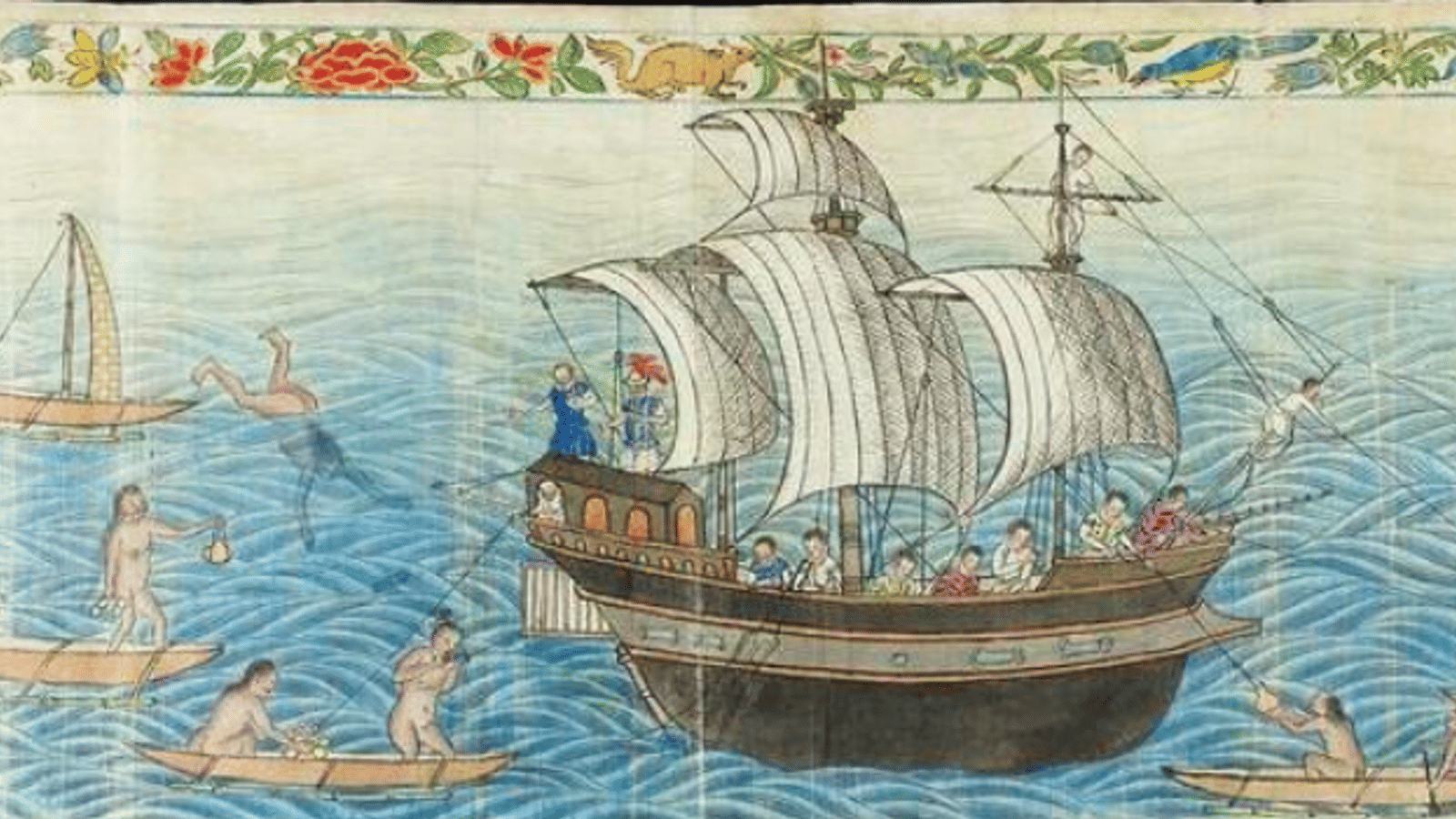
From 1565 to 1815, the Manila–Acapulco route linked the Philippines and Mexico through regular trans-Pacific voyages, carrying goods, people, ideas, and cultural influences across the Pacific.
Our welcome drink brings that history into the present through a blend of Philippine coffee, Mexican coffee, tablea, honey, and oat milk.
Beyond the bean: Cascara
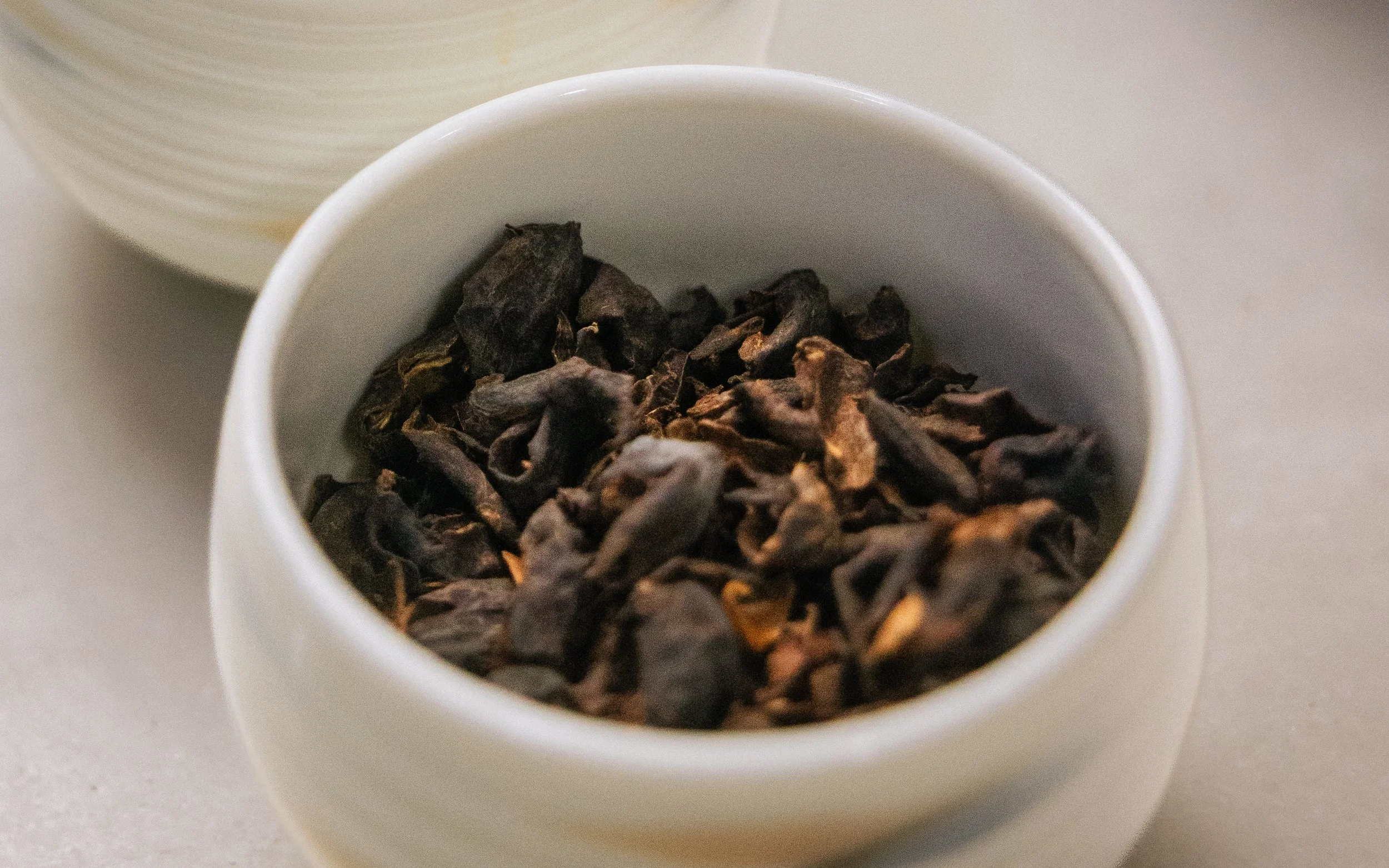
Coffee begins as a fruit, often called a coffee cherry. Cascara is made from dried coffee-cherry skin and fruit; it is typically steeped as an infusion, producing a tea-like beverage that can be bright and fruit-forward.
In this menu, Philippine cascara offers another way to experience coffee, not only as a roasted bean, but as a whole agricultural ingredient.
Thank you
✳︎
To Our
✳︎
Sponsors
✳︎
Thank you ✳︎ To Our ✳︎ Sponsors ✳︎
Our Sponsors
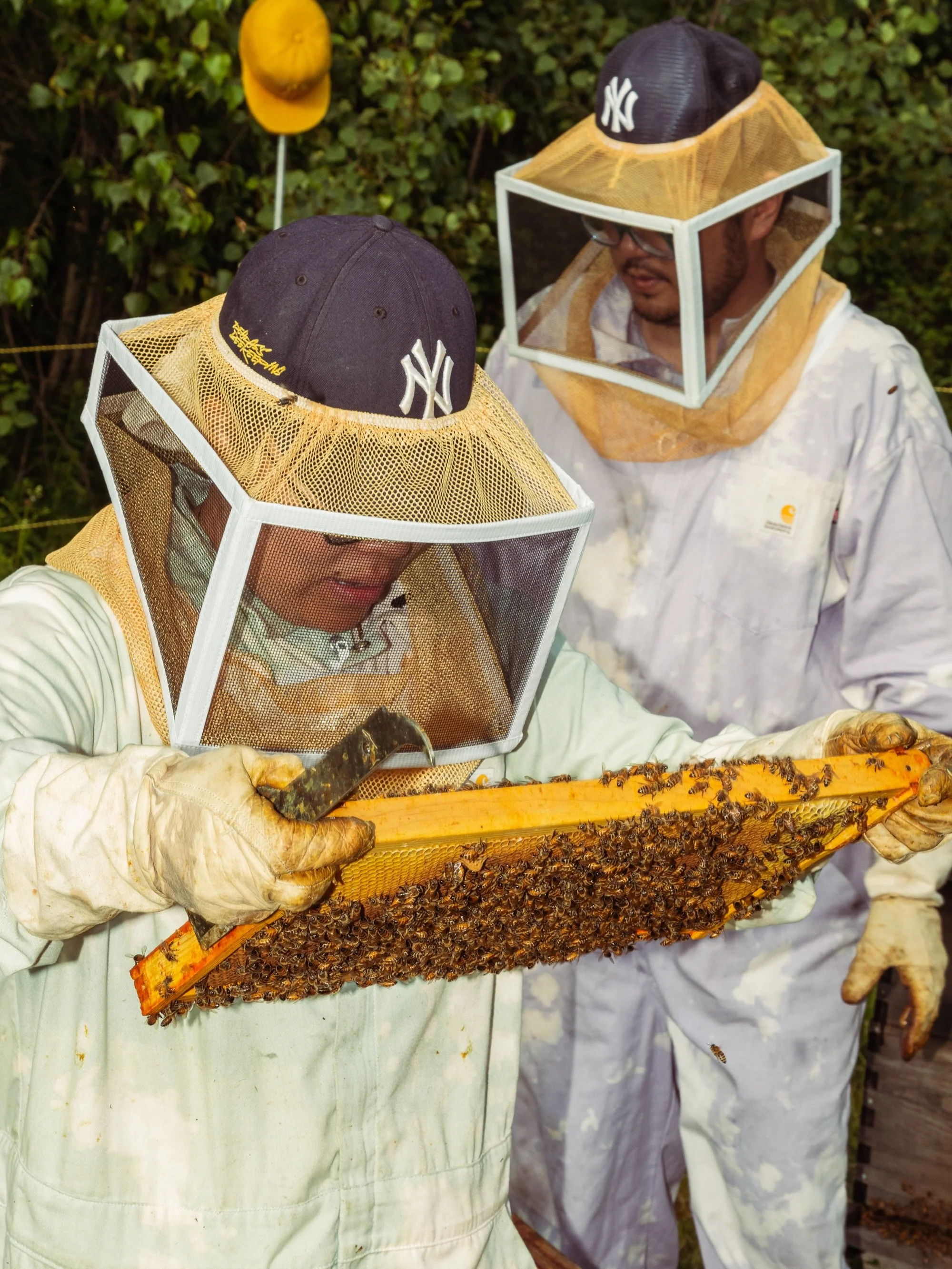
Deadass Beekeeping
HOSE
How Our Systems Evolve | Queens, NYQueens and Catskills, NYHineleban Foundation
Mindanao, Philippines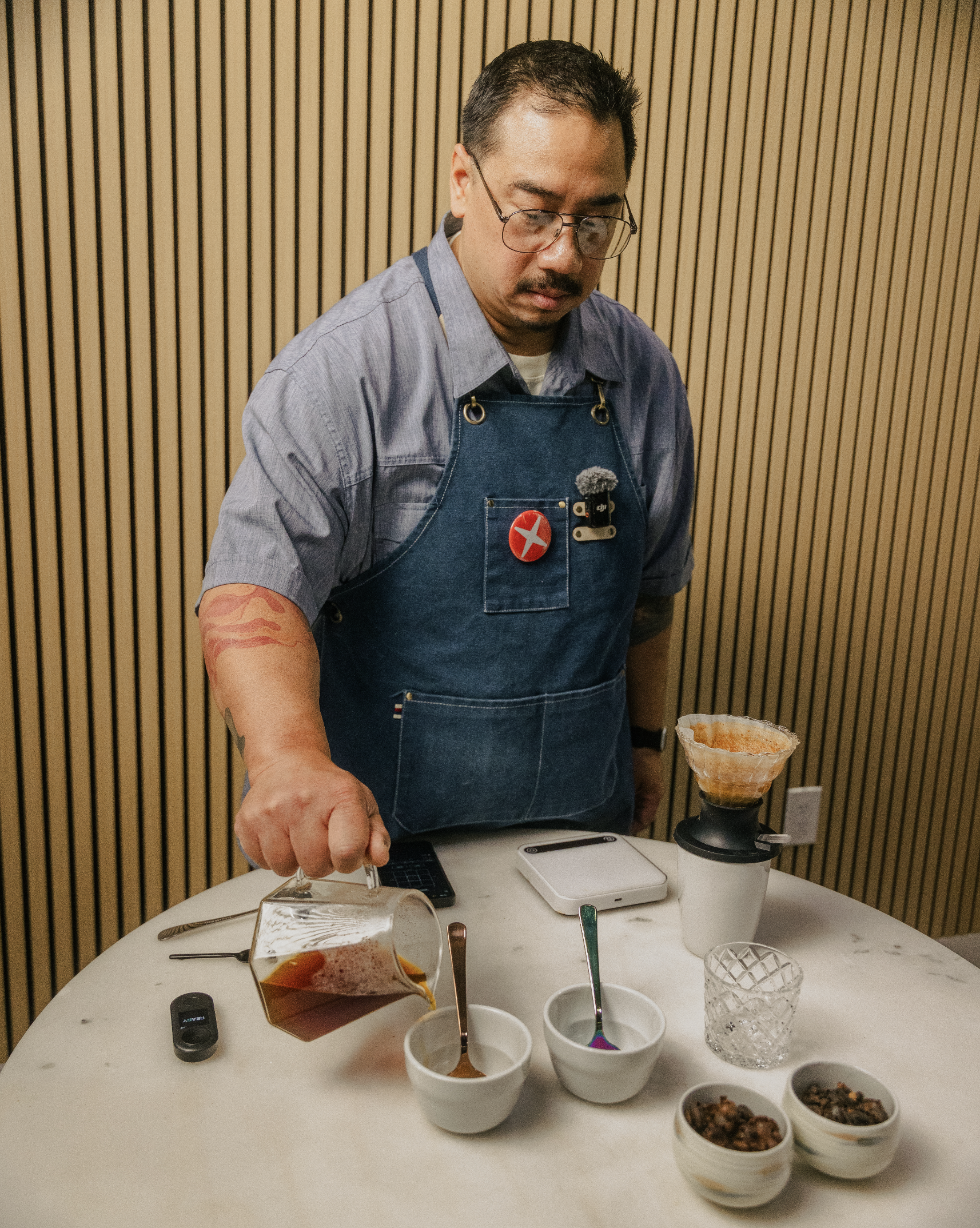
About Nathaniel “Neil” Soque
After spending 15 years in the military intelligence community, Neil found his passion and connection to coffee in Cebu City, his father’s hometown in the Philippines. Since 2016 he has helped open cafes and roasteries, compete in coffee competitions, and consult for multiple coffee companies in the Philippines, the U.S., and Canada.
Neil is one of the few Licensed Q Graders in Las Vegas. And one of the few local coffee professionals who has visited coffee farms, harvested and processed coffee, installed roastery equipment, performs repair and maintenance on coffee machines, trains barista staff on high-quality coffee service, and is simply content to roast coffee and teach his craft. His journey in life and through coffee has led him to tell the Philippine Coffee story